Lymington's toll bridge - scandal in 1731!
How a Merchant Captain built a dam, imposed a toll and silted up Lymington River
 During the early 17th Century, King Charles I granted a Robert Pamplin all the mudlands between Calshot Castle and Hurst Castle" in consideration of a great debt and faithful service done."
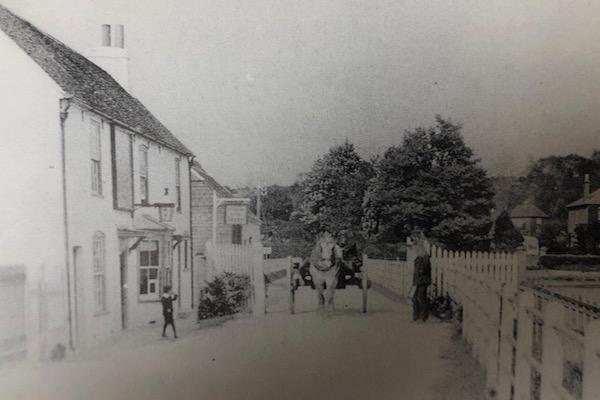
Almost a century later, in 1731, a descendent of Robert Pamplin, Merchant Captain William Cross of Boldre, decided to build a dam and causeway across Lymington River. He built toll houses and charged travellers using his causeway, more than a mile south of the existing bridge at Boldre.
The creation of the dam and tollroad seriously upset ship owners, locals and the Lymington Corportation - and transformed Lymington River forever.
The Toll Bridge Scandal
The dam seriously upset the Corporation, prompting Mayor Charles Powlett to write in protest: "Whereas Captain Cross hath lately erected across the River a Bank or Dam, whereby it is apprehended the navigation will be greatly injured (in not in time totally destroyed) unless some method be taken to prevent it. It is therefore ordered that the Town Clarke do state a proper case, and lay the same before Counsell, and report his opinon to the Mayor and Burgesses, when assembled at the Town Hall; and that the Town Clarke doe bring an Action of Trespass against said Captain Cross at the suite of the Mayor and Burgesses, for digging and carrying away land at Bridge Green, which was then in the possession of the Corporation."
By the time the action came against Captain Cross before Winchester Assizes in 1739, the Captain had died. The Corporation lost the action for trespass against the widow Cross which called for the demolition of the causeway.
Widow Cross, and a tailor named William Lyne, proceeded to exact a toll on all who passed over the dam or bridge, much to the irritation of local citizens.
The silting of Lymington River
Ship owners were also upset as the dam effectively prevented the scouring action of the tides, causing the river and Lymington Harbour to silt up.
 In 1795 it was noted that the mud building up in the channel had "rendered it already very narrow; and will probably in a few years, so completely choke it up, as to make it unnavigable by any ships of considerable burden."
The causeway was taken over by the railway company who continued to collect tolls until they were bought out by Hampshire County Council in 1955. Tolls were discontinued in 1958.
Today silting in the harbour as a result of the dam still occurs. Before the causeway was built it is said that the river was tidal as far as Brockenhurst.
Making the King wait!
In 1899 the second Lord Montagu was driving King Edward VII on one of his first car rides and at the Tollbridge was made to wait by the gatekeeper and landlord, who was annoyed after someone had sped across without paying earlier in the day! The King found the matter highly amusing!
Find out more about the history of Lymington and the New Forest at St Barbe Museum & Art Gallery.
Learn more about Local History here.
Images: Lymington in Old Picture Postcards / Steve Elson Photography
Information: Lymington: A Pictorial Past by Brian J Down / Lymington in Old Picture Postcards / Wikipedia
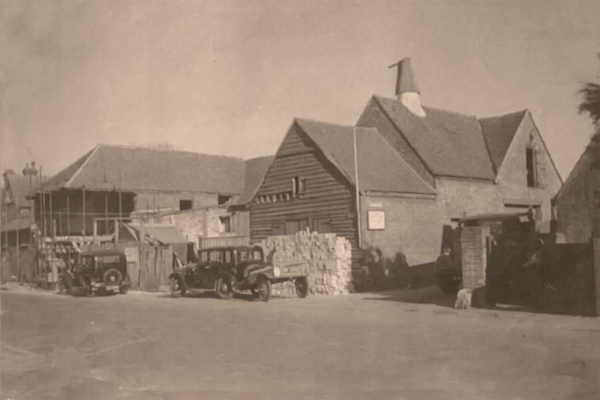
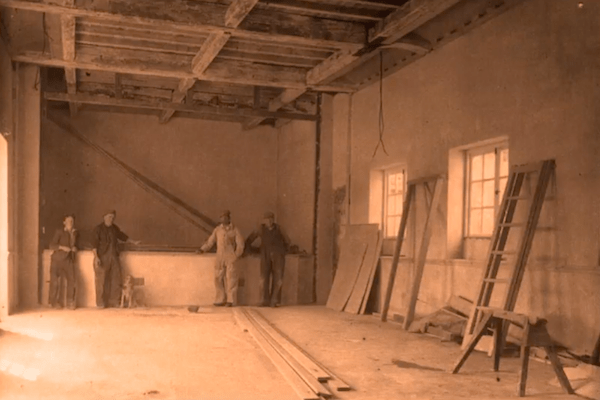
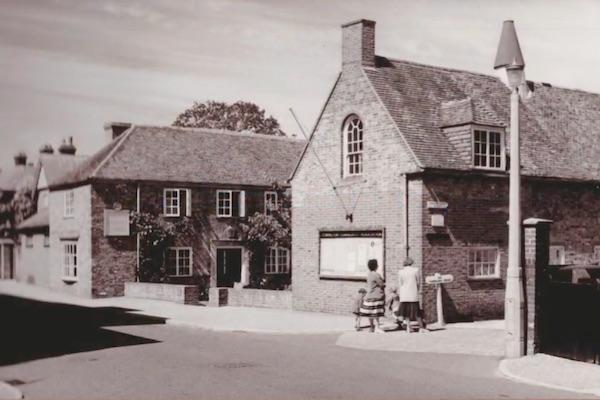 1948 - Lymington Community Centre is born!
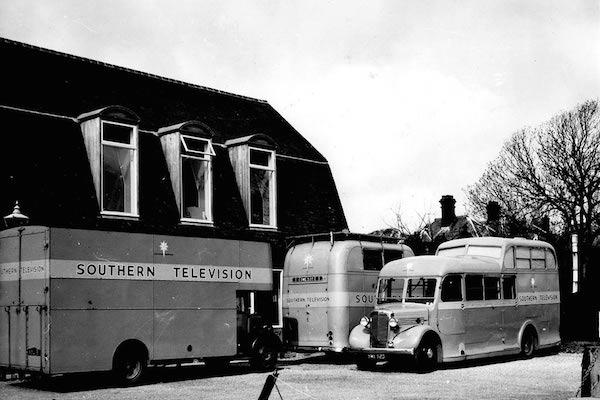 In 1952 Lymington Community Centre was featured in Punch magazine as the 'Community Centre of the Day.'
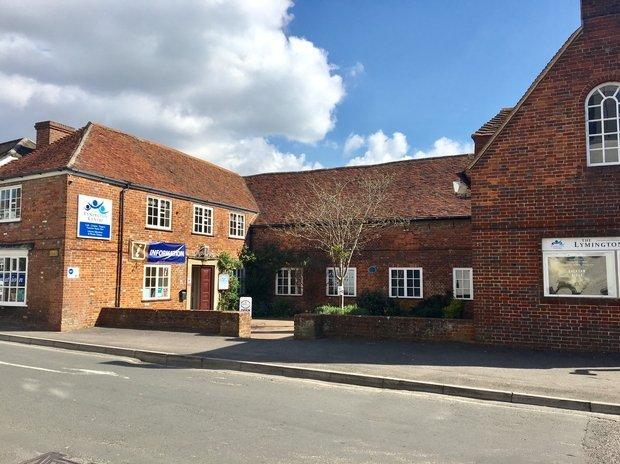 Today the Lymington Community Centre provides something for everybody and contributes enormously to the local area, offering both recreational and educational facilities to all, always vibrant and busy - it's used and enjoyed by up to 4,000 people every week.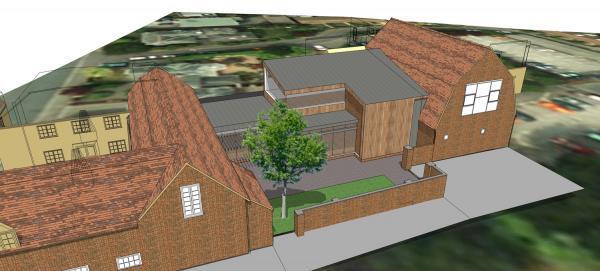


 The National School was opened on 11 January 1836, built to accommodate 160 boys taught by male teachers and 120 girls by spinsters. There were also pupil teachers apprenticed for five years.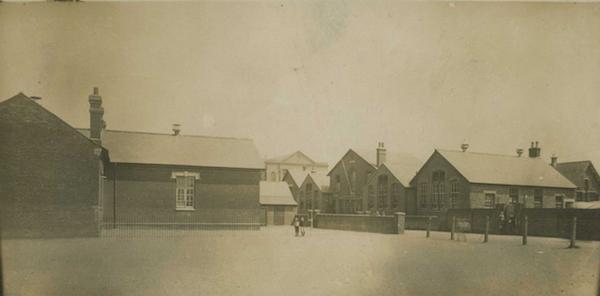
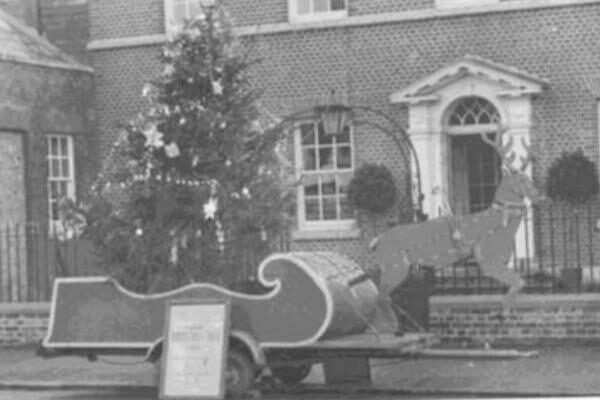
 For over 40 years the
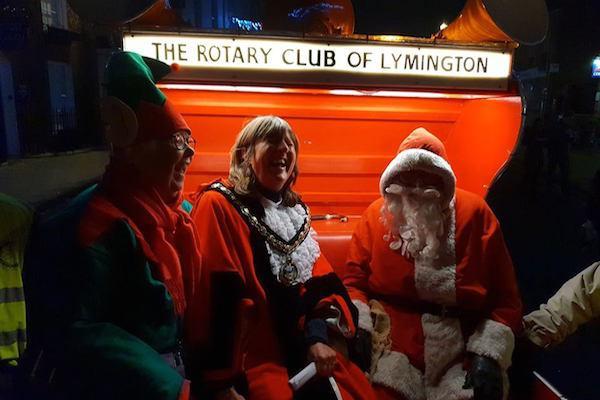
 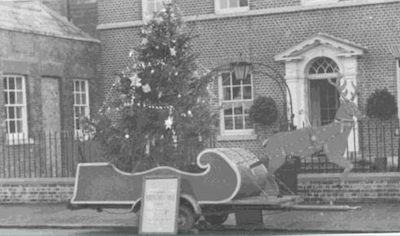 In 1973, a Rotary Santa Float at Lymington was first seen in Lymington. Initially it was just a flatbed trailer with a Christmas tree on each corner which was built by Dr Basil Thornton and Alan Figgures. A 12v car battery powered lights and sound system. Santa sat on a simple wooden chair in the middle. A cunning mechanism using car trafficators waggled the reindeer’s ears and flashed it’s nose when a coin was inserted into a slot.
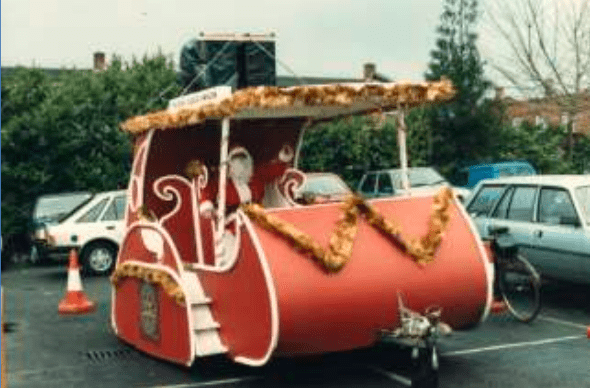 In 1978, Mike Corbin had the idea for a real Santa Sleigh. Mike was a gifted boat builder in his spare time and he brought his skills to bear by designing a new Santa Sleigh - The construction took place in a barn with the help of a small army of Elves, including Frank Johnston, Bob Tanner, Frank Carter, Ted Chalk and others, who cut, sawed and sandpapered the marine plywood to Mike's specifications then put the bits together before finally painting on the bright red colour.